
What if crops could use more of the light around them? Long Wavelength Oxygenic Photosynthesis is a five-year BBSRC strategic Longer and Larger (sLoLa) research programme investigating how life captures far-red light beyond the usual limits of oxygenic photosynthesis. Led by 吃瓜黑料 with University of Liverpool and University of Sheffield, the project brings together expertise in photosynthesis, structural biology, spectroscopy, biochemistry, genetics and synthetic biology. The team will uncover how long-wavelength chlorophylls and photosystems work, how they are regulated, and how they evolved. The goal is to reveal new principles for more efficient light-energy conversion. These discoveries could help shape future crops, vertical farming systems and sustainable biorefinery.
Funding:

Management Board
Project lead: Prof. Bill Rutherford
Research co-lead: Dr Andrea Fantuzzi
Project co-leads: Dr James Murray, Prof. Peter Nixon, Prof. Jasper van Thor, Prof. Jenny Nelson, Dr Daniel Canniffe (University of Liverpool), Prof. Jenny Clark (Sheffield University)
The Consortium
吃瓜黑料 leads the consortium, combining photosynthesis research, structural biology, biochemistry and molecular biophysics in the Department of Life Sciences with photophysics and theoretical modelling in the Department of Physics.

Department of Life Sciences
Embracing the full breadth of modern life sciences activity

Department of Physics
Excellence in research, undergraduate education and postgraduate training
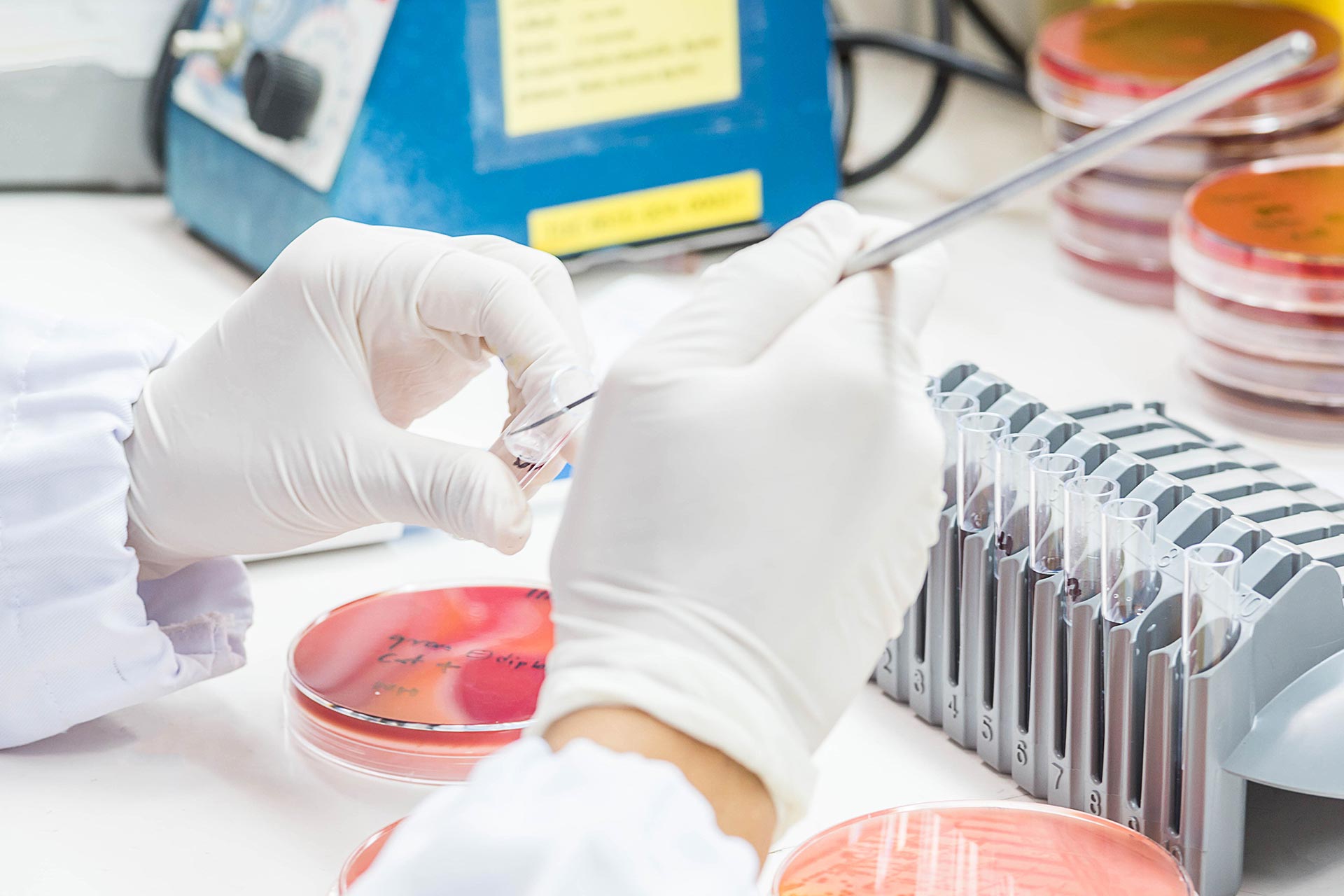
The Liverpool team leads the genetic engineering and mutagenesis of far-red photosystems and studies the enzymes that make long-wavelength chlorophylls.

University of Liverpool
A founding member of the Russell Group, at the forefront of world-class research and education since 1881
Faculty of Health and Life Sciences
Home of the Department of Biochemistry, Cell and Systems Biology, the world's first biochemistry department, founded in 1902
Canniffe group
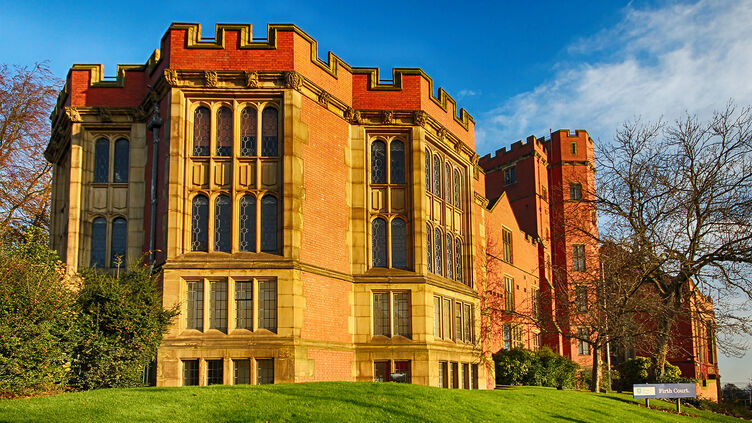
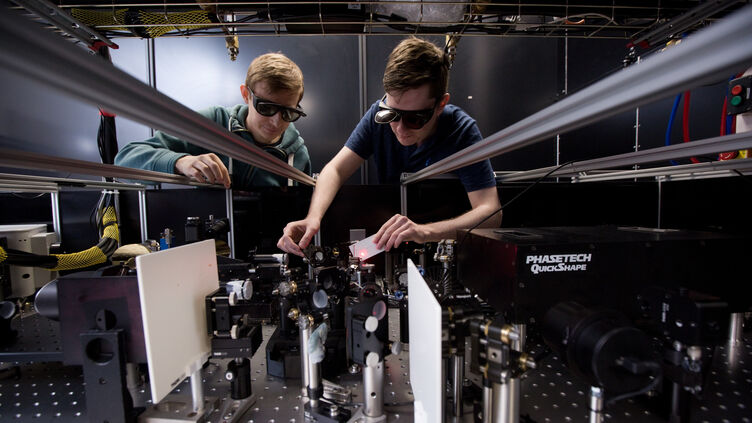
The Sheffield team leads the ultrafast and time-resolved spectroscopy, following how far-red light energy moves through the photosystems.
University of Sheffield
Named University of the Year runner-up in the North and North East in The Times and Sunday Times Good University Guide 2027
School of Mathematical and Physical Sciences
Research and teaching spanning chemistry, physics and astronomy, and mathematics and statistics
Clark group, Department of Physics and Astronomy